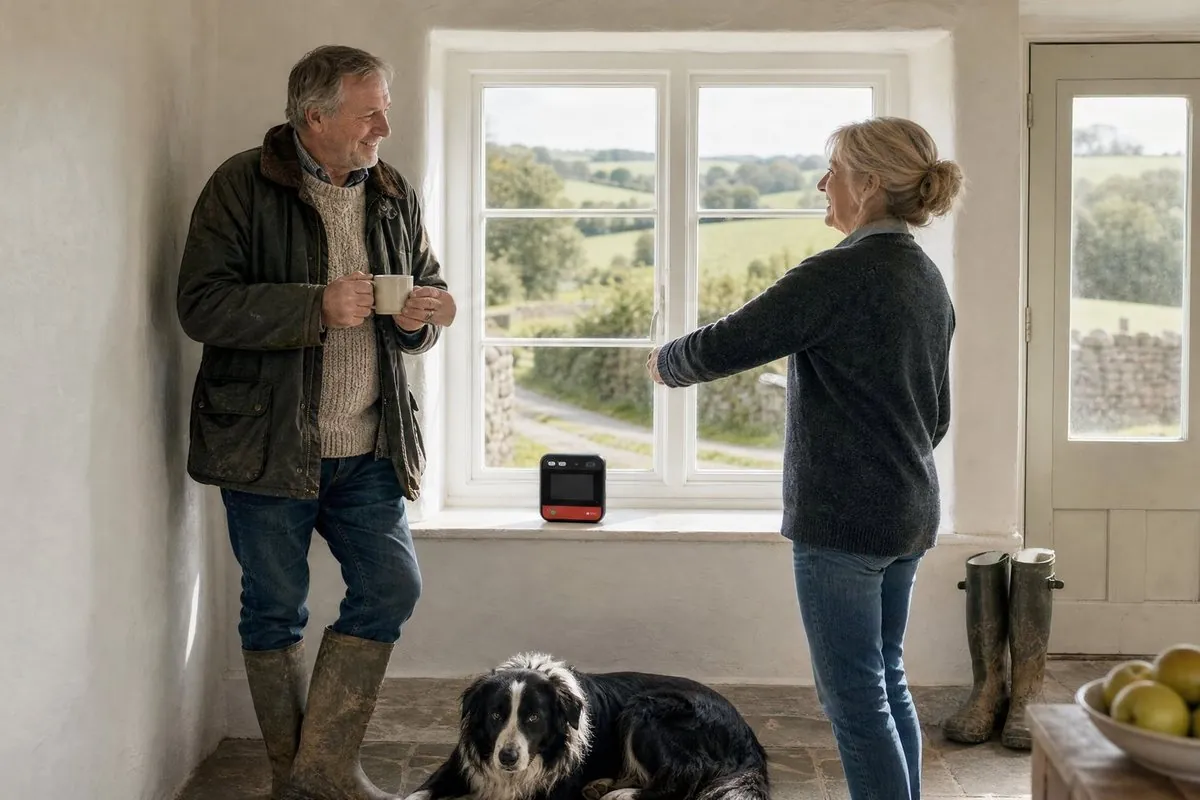
Sudden cardiac arrest is one of the most time-critical medical emergencies. When the heart’s electrical system fails, it can no longer pump blood effectively around the body.
More than 30,000 out-of-hospital cardiac arrests occur in the UK each year, and most happen in the home. Despite advances in emergency care, fewer than 1 in 10 people survive.
The reason is simple: speed.
Every minute without CPR and defibrillation reduces the chance of survival by around 10%. CPR can help keep oxygenated blood moving for a short time, but it does not restart the heart. Only a defibrillator, also known as an AED, can deliver the shock needed to help restore a normal heart rhythm when one is shockable. That is why acting quickly matters so much.
The best chance of survival comes when defibrillation is delivered within the first 3–5 minutes. In reality, that window often passes before an ambulance can arrive.
In the UK, the NHS target for Category 1, life-threatening emergencies is an average response time of under 7 minutes, with 90% of ambulances arriving within 15 minutes. In practice, those targets are often missed. Recent NHS data has shown average response times of more than 8 minutes, with some areas, particularly rural locations, waiting significantly longer.
That is why the minutes before the ambulance arrives matter so much.
That is not a criticism of ambulance crews. It is simply the reality of emergency response. Even when help is dispatched immediately, there is still travel time, access time, and the unavoidable delay between making the call and a crew reaching the patient.
A home defibrillator bridges the gap between collapse and professional help arriving. It allows treatment to begin in the most important first few minutes.
Modern AEDs are designed to be used by ordinary people, not medical professionals. They are safe, automated, and provide clear step-by-step voice instructions. They analyse the heart rhythm and will only deliver a shock if one is needed. That means they can be used confidently in an emergency, even by someone with no clinical background.
For many families, the biggest value of a home defibrillator is not just the device itself, but the ability to act immediately instead of feeling helpless while waiting for an ambulance.
A home defibrillator can be worth considering for many households, but it may be especially relevant if:
Sudden cardiac arrest is not something most people expect to happen in their home, but that is exactly where many cases occur. Being prepared does not mean expecting the worst. It means reducing the time between an emergency happening and life-saving treatment starting.
It is important to be clear about what a home defibrillator does and does not do. It does not replace emergency services, and it does not remove the need to call 999 immediately. What it does do is buy valuable time in the moments before professional help arrives.
In a sudden cardiac arrest, those first few minutes matter more than anything else. A defibrillator at home gives you the ability to respond during that critical window, rather than waiting and hoping help arrives in time.
That is why a home defibrillator matters before help arrives. It means the people at home can act straight away.
If you want a defibrillator at home without relying on memory, missed checks or once-a-year inspections, Home Defib can help. With Complete Protection or rental, we set it up in your home, it checks itself every day and reports to us, and we get in touch if anything needs attention. Get in touch to find out how it works.
Keep reading
Plain answers on what a defibrillator actually does, how buying, renting and monitoring compare, and why having one close by matters.
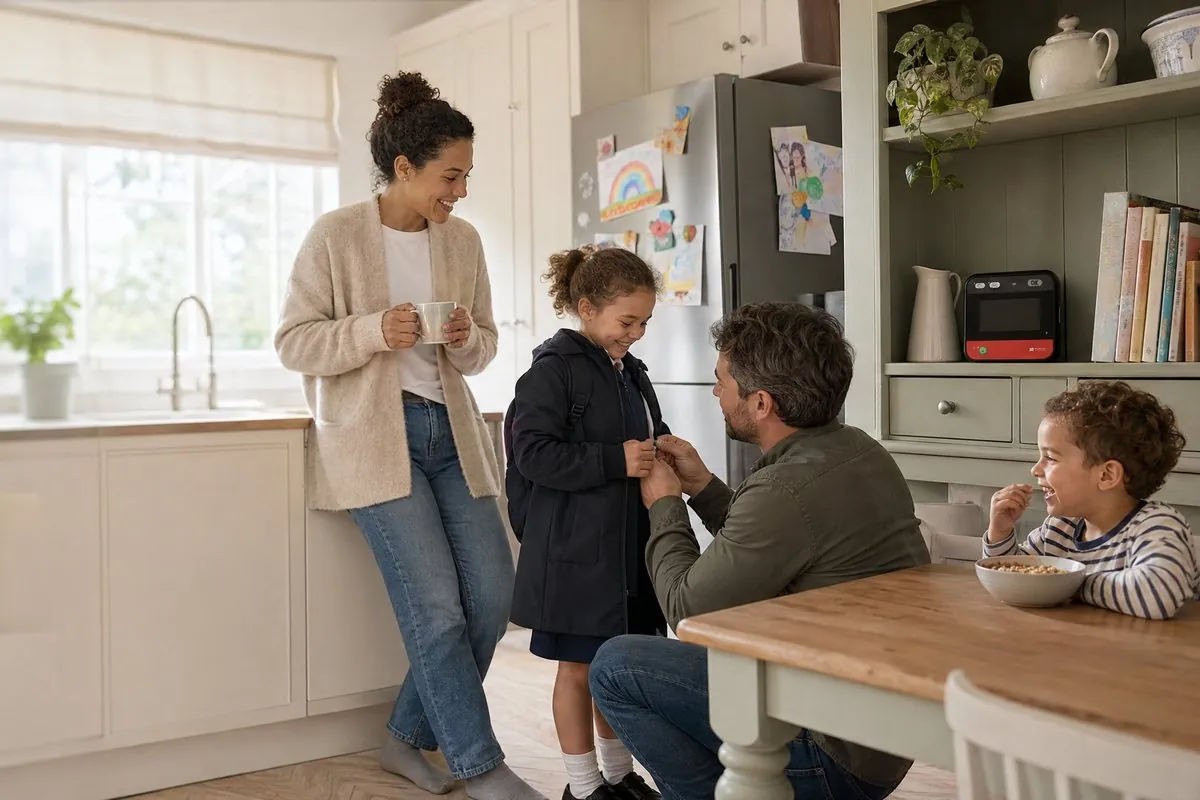
Not all defibrillator “maintenance” means regular checking. Many packages only fix or replace items once you notice a problem. Annual checks help, but they are still just a snapshot. Home Defib monitoring is different: we check your defibrillator’s function/status daily, helping spot issues sooner.
Read the article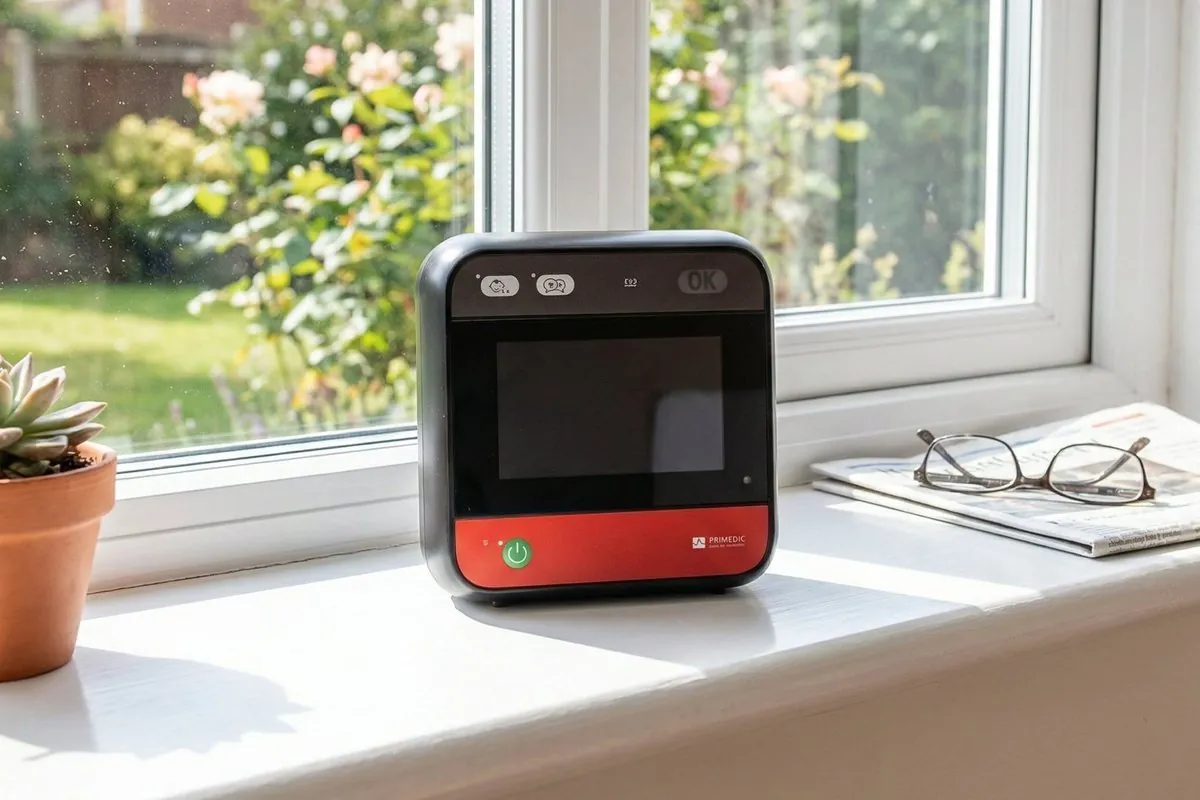
Most people picture a defibrillator as something that “restarts” a stopped heart, but it does not. It resets a chaotic rhythm so the heart can find its own beat again. And with around 7 in 10 cardiac arrests outside hospital happening at home, that is the place to keep one ready.
Read the article
Compare buying, renting and monitoring a defibrillator, from annual inspections to a daily self-check that reports to us, with no app for you to check.
Read the article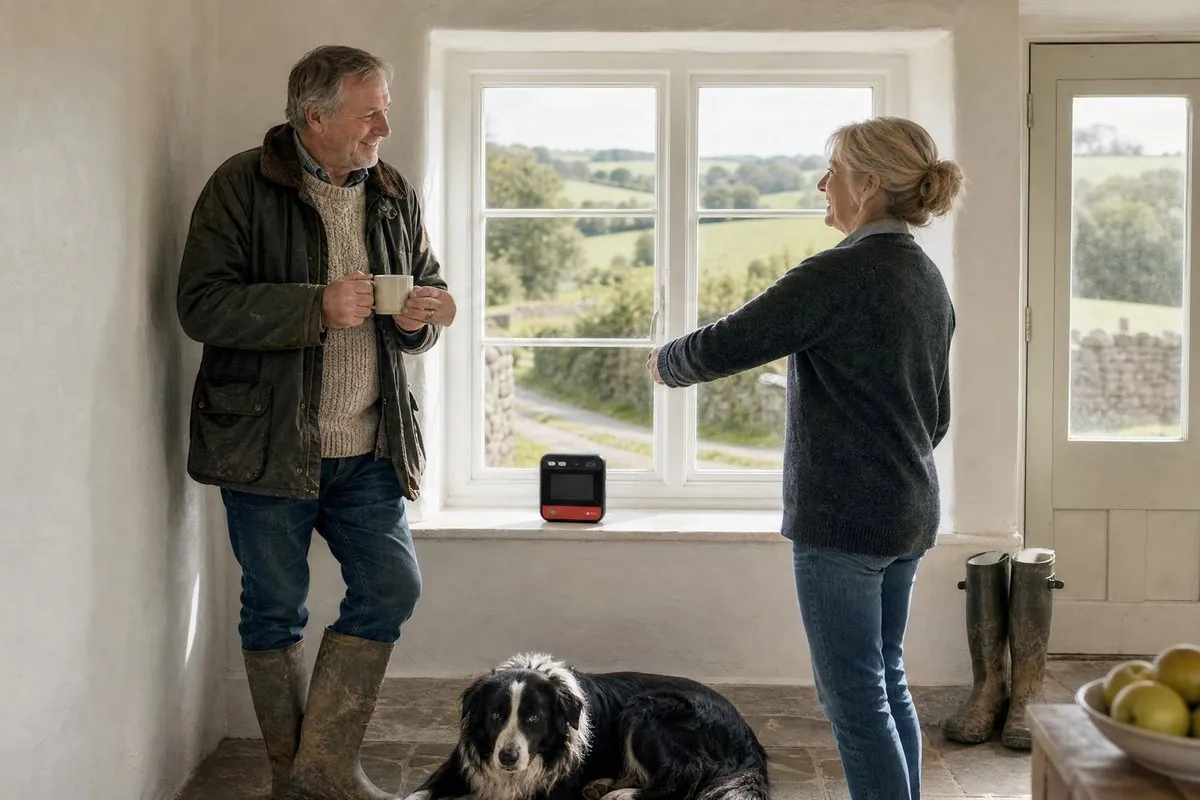
A home defibrillator means one is within reach while an ambulance is on its way. Most cardiac arrests outside hospital happen at home, so that is where having one ready matters most.
Read the article